Silicone Door Spacers for Porsche: Softer, Quieter Closes
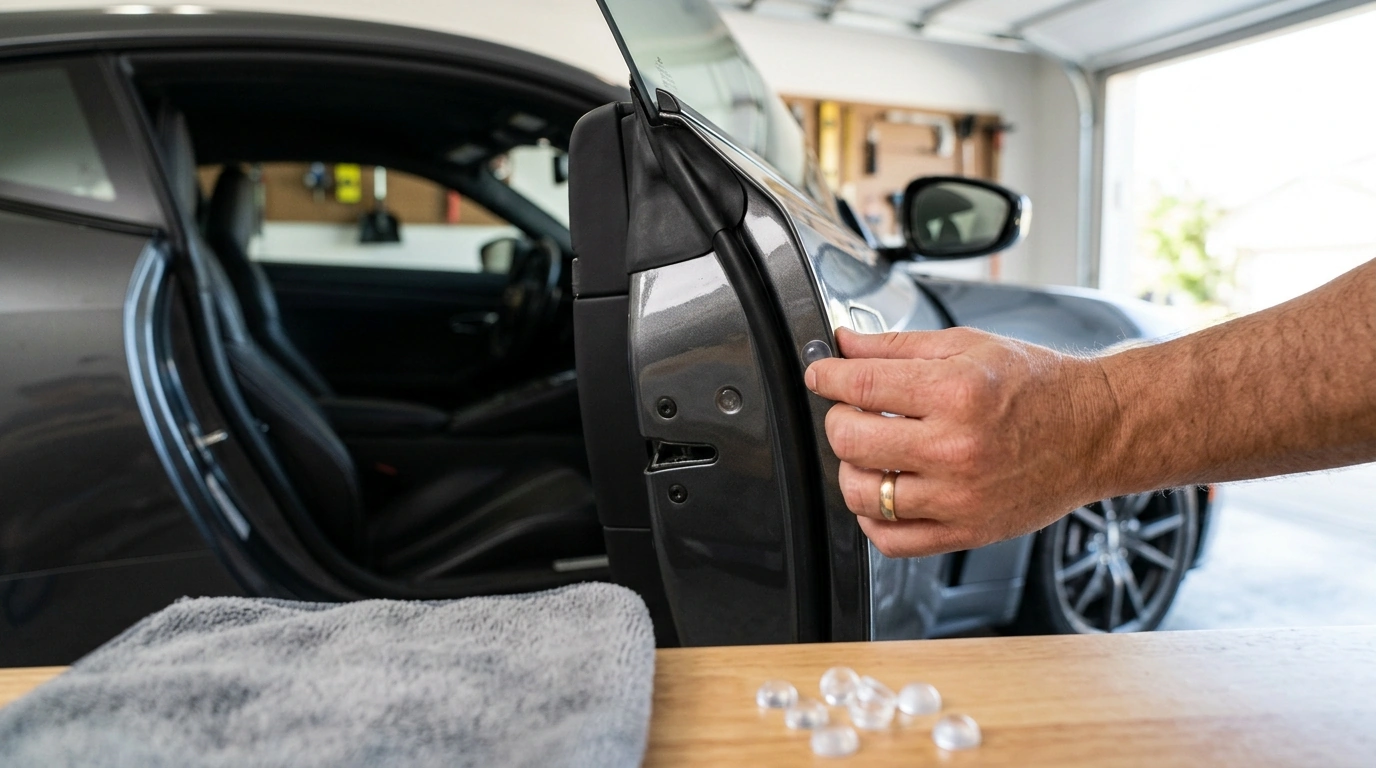
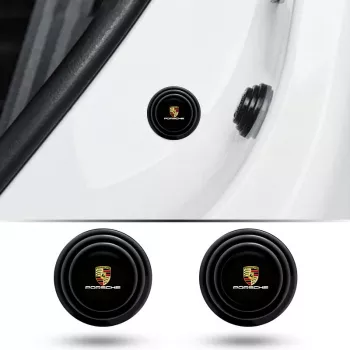
Silicone Door Shock Absorber Spacers for Porsche: Quieter Closes and Edge Protection
Silicone door shock absorber spacers add a compact cushion at select door contact points to soften closing impact, reduce small vibrations, and help limit minor scuffs around common touch areas. Available in 4/8/12-piece sets, they’re a quick add-on for daily driving—especially if your Porsche sees frequent passenger use, tight parking spots, or repeated door closing throughout the day. For more guidance, see 5×100 to 5×10⁸ Wheel Spacers 1.25″ Thick for Toyota Lexus Scion.
What These Spacers Do on a Porsche Door
Porsche doors are engineered for tight fit and refined closing feel, but everyday use can still introduce tiny contact marks and light noises over time. Silicone spacers are designed to address the “small stuff” that adds up. For further reading, see What size wheel spacers??.
- Add a small silicone buffer at contact points where minor impacts and vibrations can occur during closing and driving.
- Help reduce sharp “plastic-on-metal” or “metal-on-metal” contact noises caused by micro-movement over time.
- Provide light protection against minor scuffs and chips around edges and high-touch zones (depends on placement and door design).
- Useful for daily commuters, rideshare passengers, and vehicles parked in narrow spaces where gentle door contact is common.
Material and Build: Why Silicone Works
Silicone is popular for automotive cushioning because it stays compliant, handles repeated compression, and is generally easy to maintain.
- Silicone stays flexible across a wide temperature range, helping it remain compliant in both hot sun and cold weather.
- Water-resistant surface is easier to wipe clean after rain, road spray, or car washes.
- Compression recovery helps the spacer keep its cushioning effect after repeated door closes.
- Gentle contact material reduces the chance of hard marks compared with rigid plastic bump stops.
For best results, adhesion matters as much as material. Surface prep basics from adhesive manufacturers can be helpful when installing any stick-on automotive accessory. For background guidance, see 3M resources on surface preparation and bonding principles.
Choosing the Right Pack Size (4/8/12 PCS)
Pack size should reflect how many contact points you plan to cover and whether you want extras for refining placement. Some owners prefer to start small, test a few positions, then expand once the closing feel is dialed in.
Pack Size Guide for Common Use Cases
| Pack size | Best for | Typical coverage plan | Notes |
|---|---|---|---|
| 4 PCS | Front-door focus | 2 points per front door | Good starter set for trial placement and feel |
| 8 PCS | Most daily drivers | All doors: 2 points per door (2-door car: extra spares) | Balances coverage and cost |
| 12 PCS | Maximum coverage + spares | Multiple points per door or add to trunk/hood contact zones (if suitable) | Best for frequent passengers or backup pieces |
Fit and Placement Tips for Porsche Models
Placement matters more than quantity. The goal is controlled compression at a stable contact area—without changing how the door aligns or latches.
- Placement matters more than quantity: choose areas where the door gently meets the body or where vibration marks are visible.
- Common safe locations are flat, clean contact surfaces with consistent closing alignment; avoid areas that interfere with latches, seals, or sensors.
- Check for clearance: the spacer should compress, not prevent the door from fully closing or alter panel alignment.
- If uncertain, start with one spacer on a single door, test close/open cycles, then scale to other doors.
If you’re comparing door operation details or factory guidance for your specific model/year, official references can help. Porsche provides owner documentation via Porsche Driver’s Manuals.
Installation Steps for Best Adhesion
A careful install prevents early lifting and helps keep the spacer from shifting during repeated closes.
- Clean the surface thoroughly (remove wax, dressing, dust, and oils); allow it to fully dry before applying.
- Test-fit the spacer without removing backing to confirm clearance and compression.
- Apply firm, even pressure during installation; avoid washing the area immediately after installation to let adhesive bond.
- After installation, close the door gently a few times to confirm the spacer compresses without shifting.
Tip: If the panel is cool to the touch (cold garage or winter weather), letting the car sit at a moderate temperature before installation can improve initial tack and long-term bond.
When to Use These Spacers (and When Not To)
These spacers are best for small, everyday refinements—softening contact and cutting down on minor noises—rather than correcting mechanical issues.
Care, Cleaning, and Longevity
Product Options Available
For a quick, straightforward upgrade, 4/8/12PCS Silicone Car Door Shock Absorber Spacers For Porsche is available in multiple quantities so you can match your coverage plan.
- 4PCS Transparent Car Door Protector Stickers for Ford Mustang, Ranger, Kuga
- Carbon Fiber Rear Bumper Protector Sticker for Nissan X-Trail, Qashqai, Juke
- D10 Real 4K Dash Cam – Compatible with Toyota, Ford, Honda
FAQ
Will silicone door shock absorber spacers stop door rattles completely?
They can reduce minor vibration and contact noise, but rattles caused by loose trim, worn door checks, latch issues, or misalignment typically require proper repair.
Can these spacers affect door closing or alignment?
Yes—if placed where clearance is tight, they can prevent full closure or change the closing feel. Test one piece first, and reposition it if the door needs extra force to latch.
Where should the spacers not be installed?
Avoid hinges, latches, seal channels, sensor areas, and any spot that blocks drainage or compresses weatherstrips unnaturally. Keep clear of airbag/wiring zones and moving components.







Leave a comment