Self-Love & Worthiness Meditations: Audio Guide
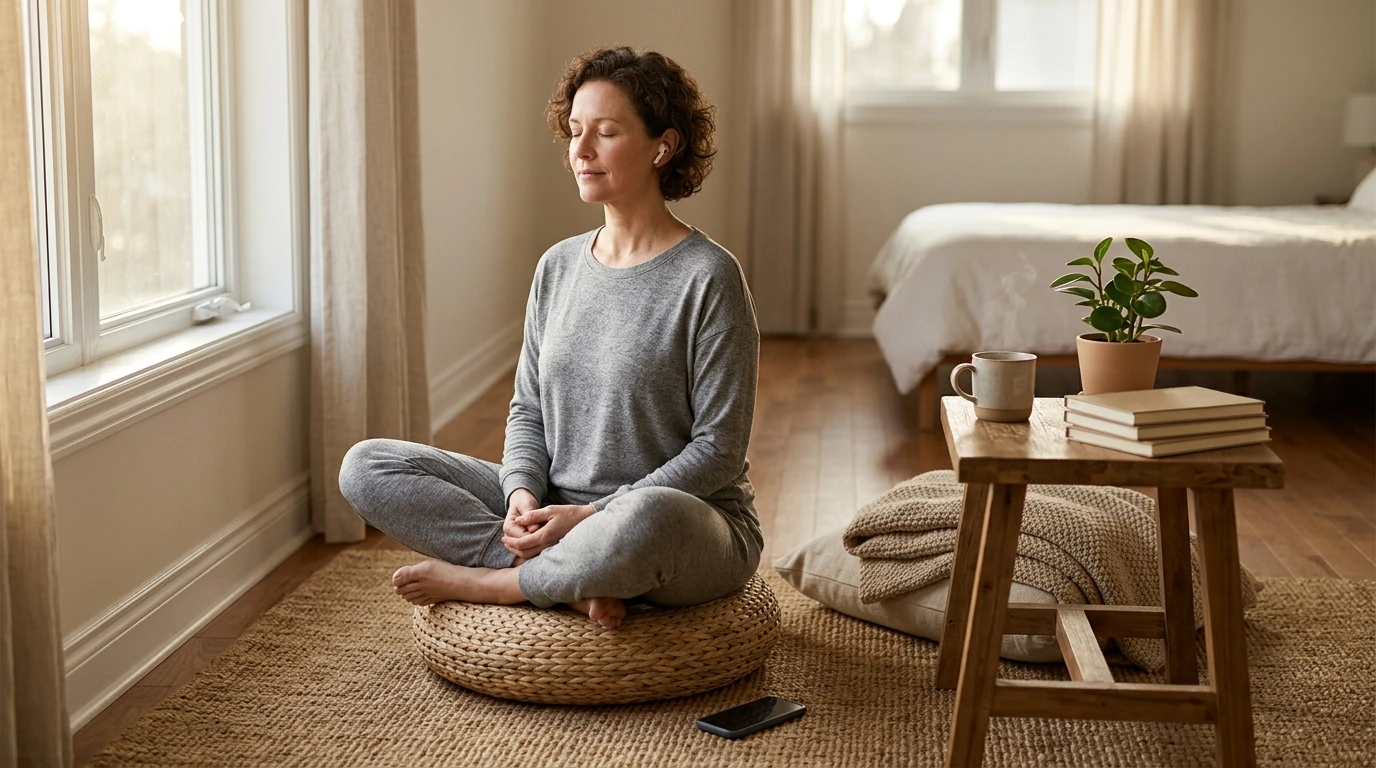
Meditations for Self-Love & Worthiness: A Practical Audio Course for Confidence, Calm, and Inner Healing
Feeling “not enough” can show up as harsh self-talk, people-pleasing, anxiety, or a constant need to prove worth. Guided audio practices can help retrain attention, soften inner criticism, and build a steadier sense of self-respect. Over time, self-love and worthiness meditations can support calmer decision-making, more stable confidence, and a kinder relationship with your own emotions.
Mindfulness and meditation are also widely discussed for their potential benefits and safety considerations by reputable organizations like NCCIH and the American Psychological Association. When the focus is self-compassion, many people find it helpful to learn what self-compassion is (and isn’t) through resources like UC Berkeley’s Greater Good Science Center.
What self-love and worthiness practices support
Self-love isn’t about constant positivity. It’s the skill of relating to yourself with respect, clarity, and care—especially when you’re stressed, imperfect, or unsure. A worthiness-focused practice helps loosen the belief that you must earn rest, kindness, or belonging.
- Reducing self-criticism by noticing thought patterns and returning to kinder inner language
- Building emotional safety through grounding, breath, and body awareness
- Strengthening confidence by practicing self-trust and supportive self-talk
- Improving calm by training attention to return from rumination to the present moment
- Supporting inner healing by making space for emotions without judgment
Instead of “fixing” your feelings, the practice is often about increasing capacity: you can feel nervous and still act with self-respect; you can feel sadness and still treat yourself gently.
What’s inside a guided audio course (and why audio helps)
A guided audio course can make consistency easier because it removes the need to plan every session. You press play, follow along, and let repetition do the heavy lifting.
- Guided meditations: step-by-step prompts that reduce decision fatigue and make it easier to stay with the practice
- Affirmations: short, repeatable statements that can counter automatic negative beliefs and reinforce healthier narratives
- Mindfulness exercises: practices that build awareness of thoughts, feelings, and sensations without immediately reacting
- Audio format benefits: easy to use while lying down, commuting (hands-free), or during a nightly wind-down; consistent guidance can support habit-building
- A gentle progression: starting with calming and grounding, then moving toward self-compassion, worthiness, and confidence themes
Common practice types and when to use them
| Practice | Best time | What it supports | If feeling stuck, try this cue |
|---|---|---|---|
| Grounding meditation | Morning or before stressful tasks | Stability, focus, nervous system settling | Feel the contact points of feet, seat, or back |
| Self-compassion meditation | After setbacks or conflict | Kindness, reduced shame, emotional resilience | Place a hand on the chest and breathe slowly |
| Worthiness affirmations | Midday or during confidence dips | Healthy self-talk, belief replacement | Repeat one line for 2 minutes rather than many lines |
| Body scan | Evening or before sleep | Relaxation, releasing tension | Soften the jaw and relax the belly on exhale |
| Mindful breathing | Anytime (1–5 minutes) | Calm, present-moment awareness | Count 4 in, 6 out for a few cycles |
A simple routine for confidence and calm (built for consistency)
The most effective routine is the one that actually happens on normal days. Aim for “small enough to keep” rather than perfect.
- Start small: 5–10 minutes daily is often more sustainable than occasional long sessions
- Use anchors: pair the audio with an existing habit (after brushing teeth, before coffee, before bed)
- Pick one theme per week: confidence, calming anxiety, self-forgiveness, or worthiness to reduce overwhelm
- Track lightly: note mood before/after using a 1–10 scale to notice progress over time
- Plan for hard days: keep a 2–3 minute reset track available for moments of acute stress
If you miss a day, the skill is returning without punishment. That return is part of building worthiness: you’re practicing showing up for yourself again.
Using affirmations without forcing positivity
Signs the practice is working (and what’s normal along the way)
Getting started with the Meditations for Self-Love & Worthiness Audio Course
If you want a structured set of guided practices, start here: Meditations for Self-Love & Worthiness | Audio Course | Guided Meditations, Affirmations & Mindfulness for Confidence, Calm, and Inner Healing. Audio guidance can be especially helpful when your mind is tired, critical, or overwhelmed—because it gives you a simple path to follow.
For people who feel tense during commutes, a calmer driving setup can also support your routine: D10 Real 4K Dash Cam – Compatible with Toyota, Ford, Honda. When you feel more secure and less vigilant, it can be easier to arrive with enough bandwidth to practice.
Quick start checklist
| Step | What to do | Time |
|---|---|---|
| Pick a track | Select one meditation or affirmation theme to repeat for a week | 2 minutes |
| Set the scene | Headphones, phone on Do Not Disturb, comfortable posture | 1 minute |
| Listen and breathe | Follow guidance; return to the voice when the mind wanders | 5–15 minutes |
| Close gently | One slow breath; name one feeling or intention | 30 seconds |
FAQ
How often should guided meditations for self-love be done?
Daily or near-daily sessions tend to work best, even if they’re just 5–10 minutes. Try a consistent 7–14 day stretch before evaluating changes, and adjust the length based on your schedule and stress level.
Can affirmations help with confidence if they feel untrue?
Yes—use “bridge” affirmations that feel believable, such as “I’m open to trusting myself.” Pair the line with mindful breathing and focus on values-based actions so the words are reinforced by what you do.
What if meditation brings up difficult emotions?
That can be a normal part of emotional release; slow your exhale, open your eyes, and feel your feet to ground. Shorten the session or switch to a calming track, and seek professional support if trauma symptoms intensify or feel unmanageable.











Leave a comment