Is an Air Bed Worth It? Pros, Cons & Best Uses

Is an air bed worth it?
An air bed can be worth it when you need a portable, space-saving sleep setup that’s comfortable enough for short stays. It shines for camping, guest rooms, road trips, and truck-bed overnights because it packs down small, sets up fast, and can feel surprisingly supportive when properly inflated.
When an air bed is a good buy
If you host occasional guests, an air bed avoids dedicating a closet to a bulky spare mattress. For travel, it’s one of the easiest ways to create a familiar sleeping surface in cabins, tents, or the back of a vehicle. Many newer models have flocked tops for less slipping, internal beams for stability, and higher profiles that make getting in and out of bed easier.
When it’s not worth it
If you need nightly, long-term use, an air bed may feel inconsistent because temperature and pressure changes can affect firmness overnight. Cheaper options can also develop slow leaks at seams or valves, and you’ll need access to a pump (and power) for the smoothest experience. If uninterrupted support is your top priority, a traditional mattress typically wins.
What decides the value: comfort, fit, and setup
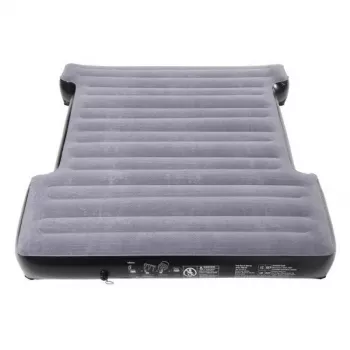
The best “worth it” outcome usually comes down to choosing the right size and thickness, pairing it with a reliable pump, and using it on a smooth surface with a protective layer underneath. If your use case includes sleeping in a pickup, fit matters as much as comfort—an option designed for truck beds can reduce gaps and awkward bunching. For practical tips on sizing, comfort, and setup for pickups, see this Chevy truck bed air mattress guide.
For Is an Air Bed Worth It? Pros, Cons & Best Uses, the best answer depends on fit, material, care instructions, and how the product will be used day to day.
FAQ
How do you keep an air mattress from losing air overnight?
Fully inflate it, then top it off after 10–20 minutes as the material stretches. Keep it away from sharp edges, and avoid big temperature drops (cool air reduces pressure), which can feel like “deflation” even without a leak.








Leave a comment